The South Umpqua River runs about 115 miles through Douglas County in southwestern Oregon, draining areas from the national forest toward Roseburg.
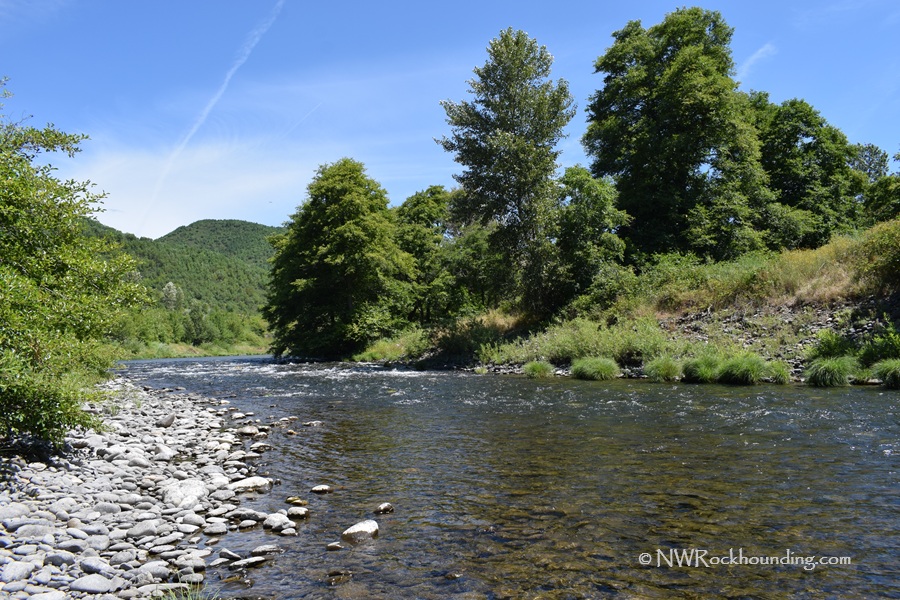
Over time, flowing water has moved pebbles and cobbles downstream and built broad gravel bars along river bends. These gravel accumulations are known among rockhounds for quartz, jasper, agate, and related minerals.
In several places along state highways that run near the river, such as near Days Creek and Myrtle Creek, visitors can reach these gravel bars from roadside pullouts and day-use areas.
The rockhounding spots described here are part of the Upper South Umpqua River.
When water levels drop in late summer, wide gravel bars and exposed riverbanks create excellent conditions for rock collecting. August and September usually offer the best opportunities.

South Umpqua River Rockhounding
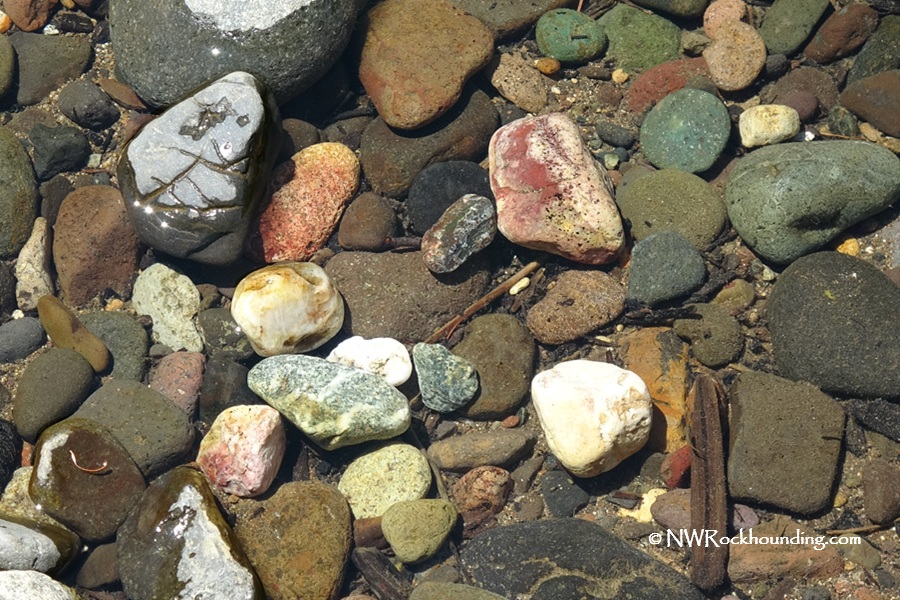
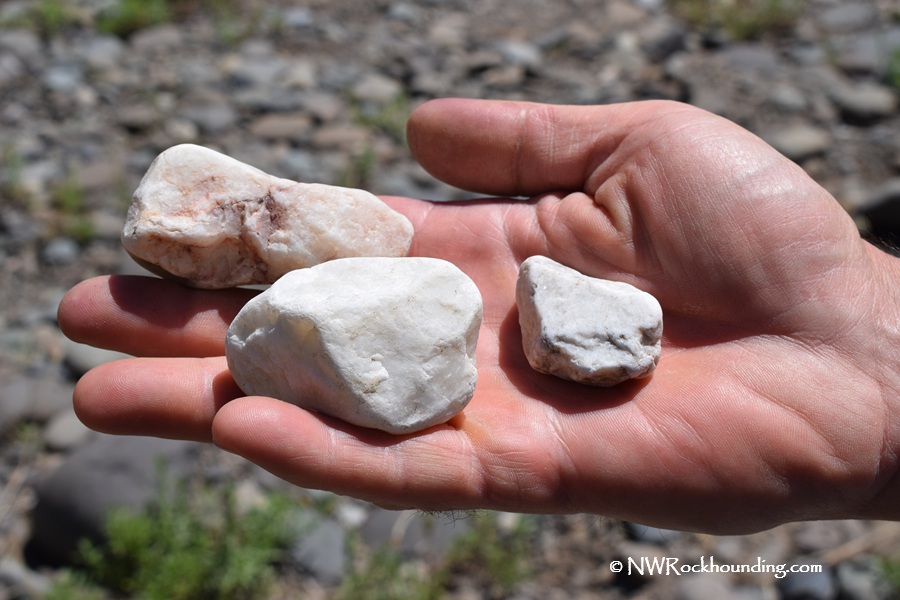
The South Umpqua’s gravel bars contain a wide variety of collectible material, with quartz being the most abundant. Sugary white quartz cobbles are found throughout the gravels, along with schist containing mica flakes that sparkle in the sunlight.
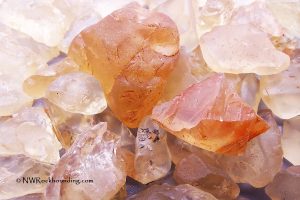
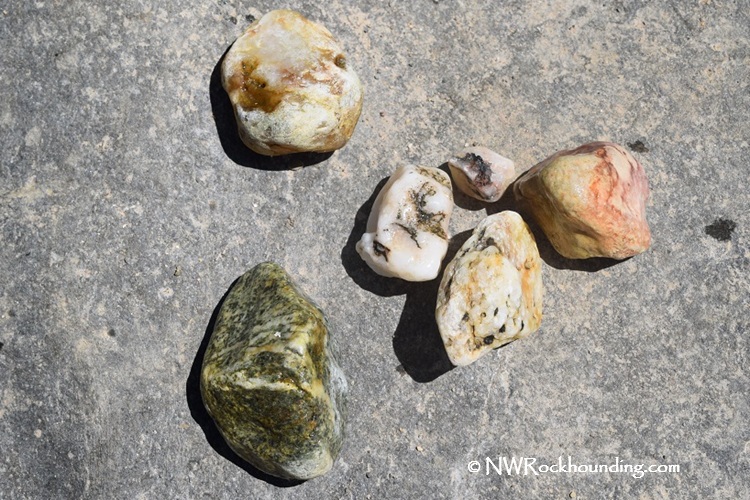
Clear to slightly reddish agate also appears across the bars, with some pieces containing quartz crystal centers that form geode-like pockets up to about five inches long. Red, brown, and brecciated jasper is scattered among the gravels, ranging from small pebbles to fist-sized chunks.
Low-grade petrified wood in brown and gray tones can be found mixed in with the river rocks. A true prize for patient collectors is deep red carnelian, which is rare but highly rewarding.
Most collecting is done by walking the gravel bars and picking by hand. A small geology pick can help loosen stubborn pieces or check partially buried stones. Splashing water over dry gravels often reveals colors and patterns that are easy to miss when the rocks are dry.

South Umpqua River Collecting Sites
Several BLM-managed access points along Oregon Route 227 provide dependable entry to South Umpqua gravel bars between Days Creek and Tiller.
Bridge at Days Creek at milepost 10, is located approximately 7 miles east of Canyonville. The bridge crosses the river with visible gravel accumulations below.
A narrow parking area on the northeast side leads to a trail down to the riverbank.
Good concentrations of agate and schist appear among the cobbles here. A swimming hole makes this spot popular during the summer months.
South Umpqua Bridge at Days Creek - Rockhounding and River Adventures
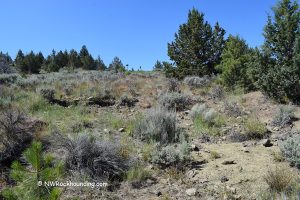
Gravel Bar Access lies between mileposts 16 and 17, about 6 miles east of Days Creek. A 0.1-mile dirt road leads south toward an extended gravel bar.
This site features an expansive cobble field with large, grainy quartz and abundant smaller tumbled material. You can inspect substantial amounts without extensive hiking.
Rest Area near Tiller sits at milepost 24.2, just before reaching the community of Tiller. This wayside has a vault toilet and picnic tables.
A short, steep hike leads down to a gravel beach with good material accumulations. The combination of amenities, swimming, and productive collecting makes this ideal for families.

Additional Upper River Collecting Sites
The upper South Umpqua provides additional collecting opportunities.
The Dumont Creek Campground, located about 3.6 miles northeast of town, offers access to productive gravel bars just outside the campground. A short trail roughly 0.1 miles west of the entrance leads down to a gravel beach where agate, carnelian, jasper, and abundant sugary quartz can be found.
Farther upstream, the Boulder Creek Campground also holds good material along the river corridor. A spur road near the campground entrance provides direct access to the riverbank for day-use visitors.
Zinc Creek is a small tributary is known for producing the deep red carnelian. Material can be found both upstream and downstream from the road crossing. Moving rocks and splashing creek water often reveals hidden color, and low-grade petrified wood occasionally appears here as well.
🔵 Rock collecting is not permitted within campground boundaries. However, excellent gravel bars exist just outside these designated areas along the river.

Exploring the South Umpqua Area: Beyond the Rocks
The South Umpqua River region offers swimming, camping, scenic drives, and rockhounding. Clear mountain water fills pools ranging from shallow wading spots to deeper swimming holes. Water temperatures warm to about 70°F near South Umpqua Falls by late August. July through September provides the best swimming conditions.
Several covered bridges dot the surrounding area, including the Milo Academy Covered Bridge and Neal Lane Covered Bridge. The Three C Rock formation near the upper river offers an interesting geological attraction.

South Umpqua River Rockhounding | Facts
Material: Agate, jasper, carnelian, quartz, schist, petrified wood
Tools: Geology pick, gem scoop, collecting bag, spray bottle
Land type: Riverbanks and gravel bars
Best time to visit: Late summer through early fall (low water exposes gravel bars)
Land manager: Bureau of Land Management (BLM) and U.S. Forest Service
Fees: None
Location: Douglas County, 7 to 30 miles east of Canyonville • Oregon • USA
Road access: Any vehicle
Places to Stay near South Umpqua River
Dumont Creek Campground offers secluded primitive camping directly on the river with basic amenities.
Boulder Creek Campground provides a quiet spot with easy access to nearby collecting areas.
Ash Flat Campground, 3 miles east of Boulder Creek, offers another overnight option. All campgrounds operate on a first-come, first-served basis.
For more comfortable lodging, head west to Canyonville, located at the Interstate 5 junction approximately 7 miles from the first collecting site.
You May Also Like
South Umpqua River Directions
From Interstate 5,
- Take Exit 99 at Canyonville and head east on Oregon Route 227.
The road follows along the South Umpqua River for approximately 30 miles, passing through Days Creek, Tiller and other places with multiple access points along the way.
Days Creek Bridge: N 42°58.391' W1 23°10.244' | 42.9734, -123.1732