A petrified forest is an area where large quantities of petrified wood can be found. The formation of petrified wood can take millions of years and occur under specific geological conditions. Events such as volcanic eruptions or floods, which occurred millions of years ago, played a key role in their preservation.

Minerals like quartz or opal replace the organic material of the trees, preserving their structure in detail and transforming wood into stone.

Petrified forests provide a unique opportunity to examine ancient ecosystems and learn about the geological processes that preserved them. They help scientists understand the evolution of flora and fauna, climates, and Earth's history.

Beautifully colored petrified trees attract researchers and tourists, inspiring admiration and curiosity about nature's wonders.


Petrification Process - How Wood Turns to Stone

This process begins when trees are deposited directly into water. Most of the trees decomposed, but others were buried rapidly by sediment with volcanic ash present. The lack of oxygen in the sediment prevents the wood from decaying as it would under normal conditions. Instead, groundwater rich in dissolved minerals seeps into the wood's cellular structure.

Over time, minerals, such as silica, calcite, or pyrite, gradually replace the organic material while preserving the tree's original structure. This slow mineralization process turns the wood into stone while retaining its characteristic appearance, including the growth rings and bark patterns.

Finally, natural events like uplift and erosion reveal these petrified trees, creating a stunning display of fossilized wood.

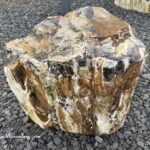
Due to the variety of minerals involved in the process, petrified wood occurs in different colors, such as red, yellow, orange, blue, and green. Check list some of the minerals that involved in the petrification process and their influence on wood's color.


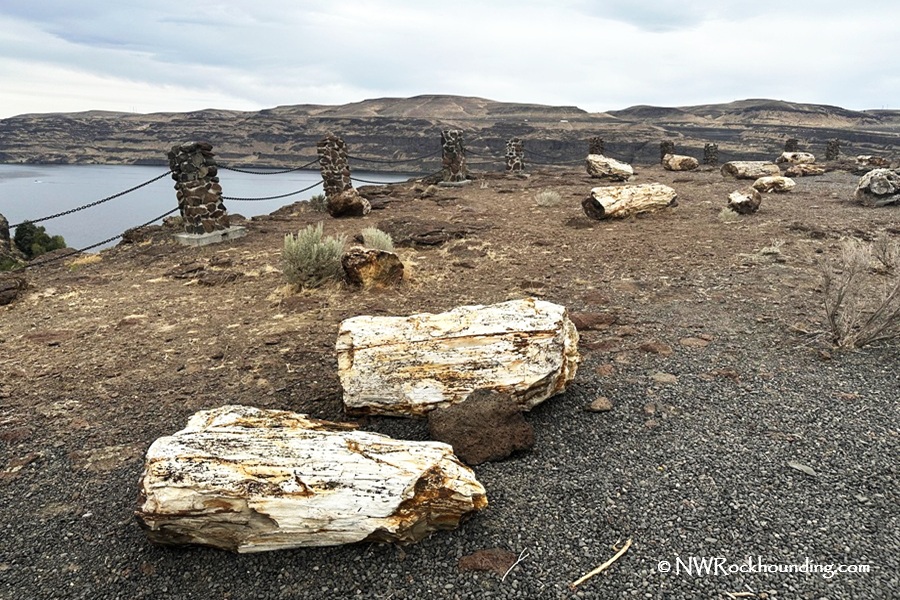
Ginkgo Petrified Forest State Park: A Must-Visit Fossil Forest: Several petrified logs are displayed on a gravel surface, with a scenic view of a river and distant hills under a clear blue sky, showcasing the natural beauty and geological significance of the area.
Ginkgo Petrified Forest Park

Exploring the Petrified Forests of the United States

The most well-known sources of petrified wood come from the Late Triassic period, around 225 million years ago, such as those found in Petrified Forest National Park in Arizona. However, petrified wood from different geological periods and locations can be found worldwide.

Notable petrified forests in the United States include:

  • Petrified Forest National Park (Arizona)
  • Ginkgo Petrified State Forest (Washington)
  • Gilboa Fossil Forest (New York)
  • Petrified tree in the Yellowstone National Park (Wyoming)
  • Calistoga Petrified Forest (California)
  • Escalante Petrified Forest State Park (Utah)


Petrified Forest National Park in Arizona

Petrified Forest National Park Arizona - Fossilized Desert Wonders: Close-up view of vibrant, fossilized wood with rich red and orange hues, showcasing the intricate patterns and textures of the petrified logs against a backdrop of arid desert soil and scattered rocks.

Petrified Forest National Park in Arizona is a must-visit destination, famous for its colorful and well-preserved petrified wood and stunning desert landscapes.

Imagine walking through a desert where towering conifer trees, living over 200 million years ago, now lie preserved as colorful stone.

Spanning over 200,000 acres in northeastern Arizona, the park offers a glimpse into Earth’s deep history, making it a unique destination in the American Southwest.

Petrified Forest National Park Arizona - Fossilized Desert Wonders


Calistoga Petrified Forest
The Petrified Forest Calistoga, CA, California: A gravel path winding through a forested area, with a person walking away from the camera and petrified logs visible along the trail.Calistoga Petrified Forest in Napa Valley is a unique park featuring petrified redwoods that were fossilized by volcanic activity over 3 million years ago.

Guided tours through the park are offered, allowing visitors to see these ancient mineralized trees and learn about the area's geological history and the process of petrification.

In addition to the petrified trees, the park features a visitor center with exhibits that explain the science behind petrification and the region's natural history.

The forest's scenic setting, surrounded by the beautiful Napa Valley, makes it a unique and educational destination for those interested in geology and natural history.

Calistoga Petrified Forest - The Largest Petrified Redwood


Ginkgo Petrified Forest State Park

Ginkgo Petrified Forest State Park: A Must-Visit Fossil Forest: Several petrified logs are displayed on a gravel surface, with a scenic view of a river and distant hills under a clear blue sky, showcasing the natural beauty and geological significance of the area.Ginkgo Petrified Forest State Park, near the town of Vantage, is a treasure trove of natural history, stunning landscapes, and family-friendly activities.

The park is one of the most unique places in Washington state. It is known for its large deposits of petrified wood, representing a diverse array of ancient tree species that once thrived in the region millions of years ago.

In addition to the petrified forest, the park also features petroglyphs—ancient rock carvings created by Indigenous peoples.

Ginkgo Petrified Forest State Park: A Must-Visit Fossil Forest


Petrified Tree in Yellowstone National Park

Yellowstone National Park is home to a famous petrified tree, a rare remnant of ancient forests buried by volcanic ash around 50 million years ago during the Eocene epoch.

This standing fossilized redwood is similar to present-day redwoods in California, indicating that Yellowstone once had a much warmer, wetter subtropical climate.

A century ago, three petrified redwoods stood here, but souvenir hunters chipped away at the other two. Today, a fence protects the only remaining petrified park's tree from collectors.

This tree is unique because, unlike most petrified trees that are found as fallen logs, it remains upright, resembling a modern tree trunk.

Tourists can see the fossilized tree trunk and learn about its history from nearby interpretive signs. This rare petrified wood offers insight into Yellowsone's ancient past, revealing how much the landscape has changed over time.

Other petrified forests in Yellowstone are located in backcountry areas and require hiking to access.


Yellowstone Petrified Tree. A tall, weathered tree stump stands prominently in a grassy area, with a metal fence and trees in the background under a clear blue sky. The stump appears to be old and has a rugged texture.
Yellowstone Petrified Tree

Escalante Petrified Forest State Park

Escalante Petrified Forest: Discover Multicolored Fossilized Trees: Close-up view of a petrified log showcasing a vibrant array of colors including yellows, greens, reds, and browns, with intricate patterns formed by the fossilization process.Escalante Petrified Forest State Park is famous for its colorful petrified wood located in southern Utah. Visitors can enjoy hiking through the park on two main trails that allow them to explore its geological wonders up close.

The park also has a well-maintained campground with modern amenities.

Escalante Petrified Forest: Discover Multicolored Fossilized Trees


Gilboa Fossil Forest in New York

The Gilboa Fossil Forest is one of the world's oldest and most significant fossilized forests, dating back approximately 385 million years to the Devonian period.

Located in the small town of Gilboa in the Catskill Mountains, this ancient forest provides valuable insights into early terrestrial ecosystems and the evolution of land plants.


You May Also Like


Comments are closed, but trackbacks and pingbacks are open.